
How to Make Money on Facebook?

 Fatih
Fatih
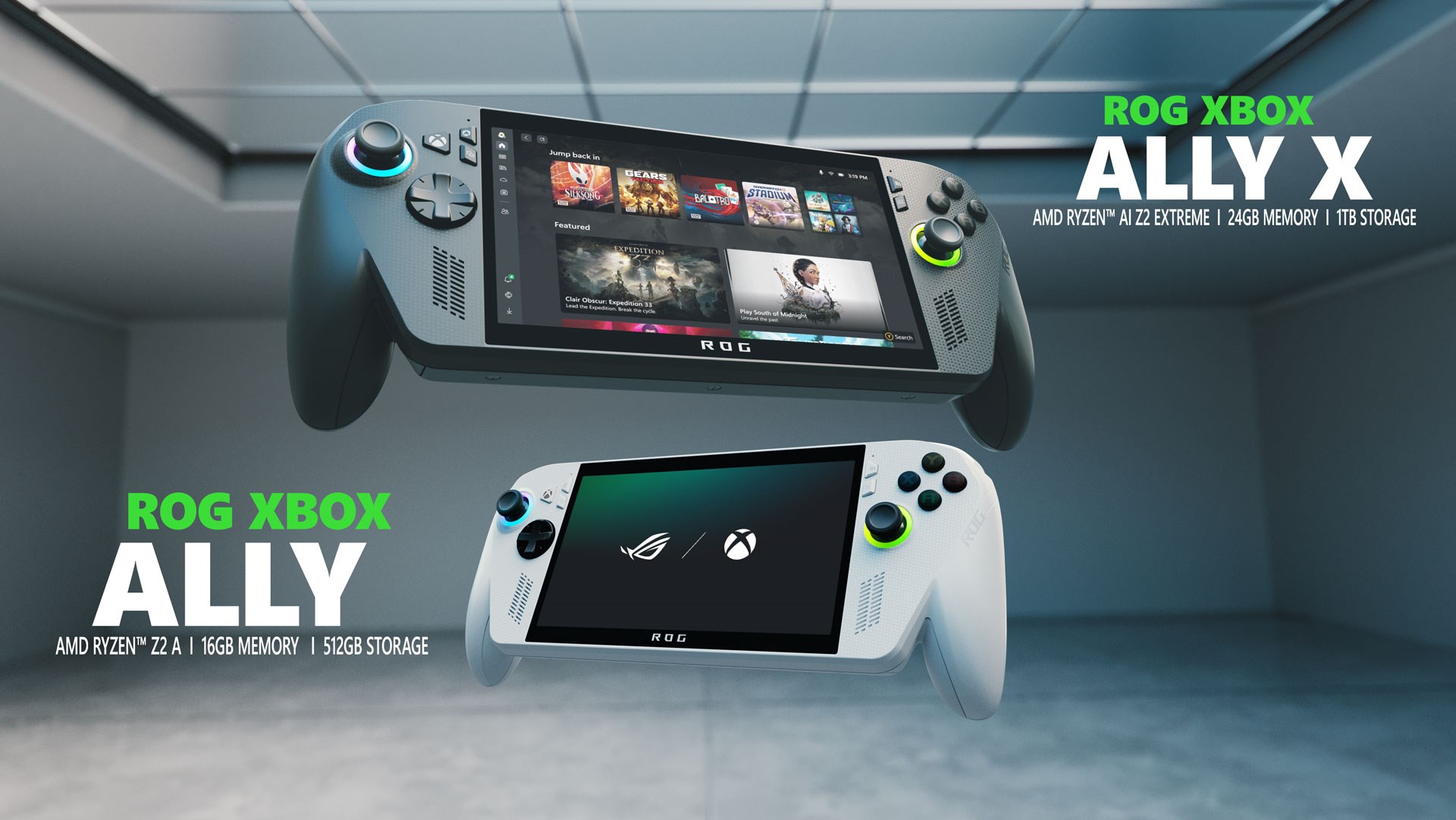
The gaming world has been buzzing with rumors about a dedicated Microsoft portable for years, and as of 2026, the landscape has shifted dramatically. While a traditional "Xbox Series P" or "Xbox Portable" fully manufactured by Microsoft remains the subject of intense roadmap leaks and teaser comments from Phil Spencer, the market has actually delivered something different: the ROG Xbox Ally X.
This collaboration between ASUS and Microsoft is the closest we have to an official Xbox handheld today. If you are debating whether to pull the trigger on this device or wait for a potential first-party "next-gen" console, here is everything you need to weigh up.
Released in late 2025 and currently dominating the high-end market in 2026, the ROG Xbox Ally X is essentially the "Pro" version of the original Ally, refined specifically for the Xbox ecosystem. It features the AMD Ryzen AI Z2 Extreme processor and a massive 24GB of RAM, making it significantly more powerful than the Steam Deck OLED.
The standout feature here is the Xbox Full Screen Experience. Microsoft has moved away from the clunky Windows desktop feel for handhelds, allowing this device to boot directly into a console-like interface. You get the familiar Xbox dashboard, native Game Pass integration, and a seamless connection to your Xbox friend list and achievements.
| Feature | ROG Xbox Ally X (2026 Standard) |
| Processor | AMD Ryzen AI Z2 Extreme |
| Memory | 24GB LPDDR5X-8000 |
| Storage | 1TB M.2 2280 SSD (Upgradeable) |
| Display | 7" FHD (1080p) IPS, 120Hz, Variable Refresh Rate (VRR) |
| Operating System | Windows 11 with Xbox Handheld UI |
| Price | Approximately $999 |
The primary reason to invest in the current "Xbox Handheld" (the Ally X) is its sheer versatility. Because it runs on a specialized version of Windows, you aren't locked into a single store.
Native Game Pass Support: Unlike the Steam Deck, which requires cloud streaming or a complicated Windows install to run Game Pass, the Ally X runs your Game Pass library natively. This means you can play Halo, Forza, and Starfield offline on the plane.
The Power of VRR: The 120Hz screen with Variable Refresh Rate is a game-changer. It smooths out those tiny stutters that usually plague handheld gaming, making 45 FPS feel like a locked 60 FPS.
A "Mini PC" in Your Pocket: If you ever need to do more than game, you can dock this device and use it as a full Windows computer for light video editing or office work.
Despite the brilliance of the Ally X, there are still whispers of a dedicated Microsoft-built handheld coming later in this console generation. Phil Spencer has noted that first-party hardware would be built to a different standard.
"When it comes to hardware that we at Microsoft announce as a first-party, that would be our 'next console'."
If you are a purist, waiting might offer a few benefits:
Price Point: At $999, the Ally X is a premium luxury. A first-party Xbox handheld would likely target a more competitive $400 to $500 range to compete with the Nintendo Switch 2 and Steam Deck.
Optimized Architecture: A Microsoft-built handheld would likely use custom silicon designed specifically for Xbox Series S/X game profiles, potentially offering better battery life than the power-hungry Ally X.
OLED Missing in Action: One of the biggest complaints in 2026 is that the Ally X still uses an IPS LCD. If you value deep blacks and vibrant colors, you might want to wait for an official model that will almost certainly feature an OLED panel.
Should you buy the Xbox handheld experience in 2026?
Buy it if: You want the most powerful handheld on the market, you have a massive library of PC and Xbox games, and you don't mind the premium price tag. The ROG Xbox Ally X is a beast that finally fixes the "Windows on handheld" headache.
Wait if: You are a budget-conscious gamer or someone who prioritizes battery life and an OLED screen. If $1000 feels too steep for a portable, the official first-party hardware—whenever it arrives—will likely be the "Series S of handhelds" that your wallet prefers.
Our most popular services on social media

Special 5% discount awaits new members!
BoostGrams was founded in 2015 with the rise of social media.
Special 5% discount awaits new members!
BoostGrams was founded in 2015 with the rise of social media.
Special 5% discount awaits new members!
BoostGrams was founded in 2015 with the rise of social media.

Enter your order code!

If you experience delivery issues with your guaranteed orders, you can quickly request a replacement.


A single post can touch thousands of hearts.
Log in to your account now and start enjoying the benefits.
Not a member? Sign Up