How to Make Money on Facebook?

 Fatih
Fatih
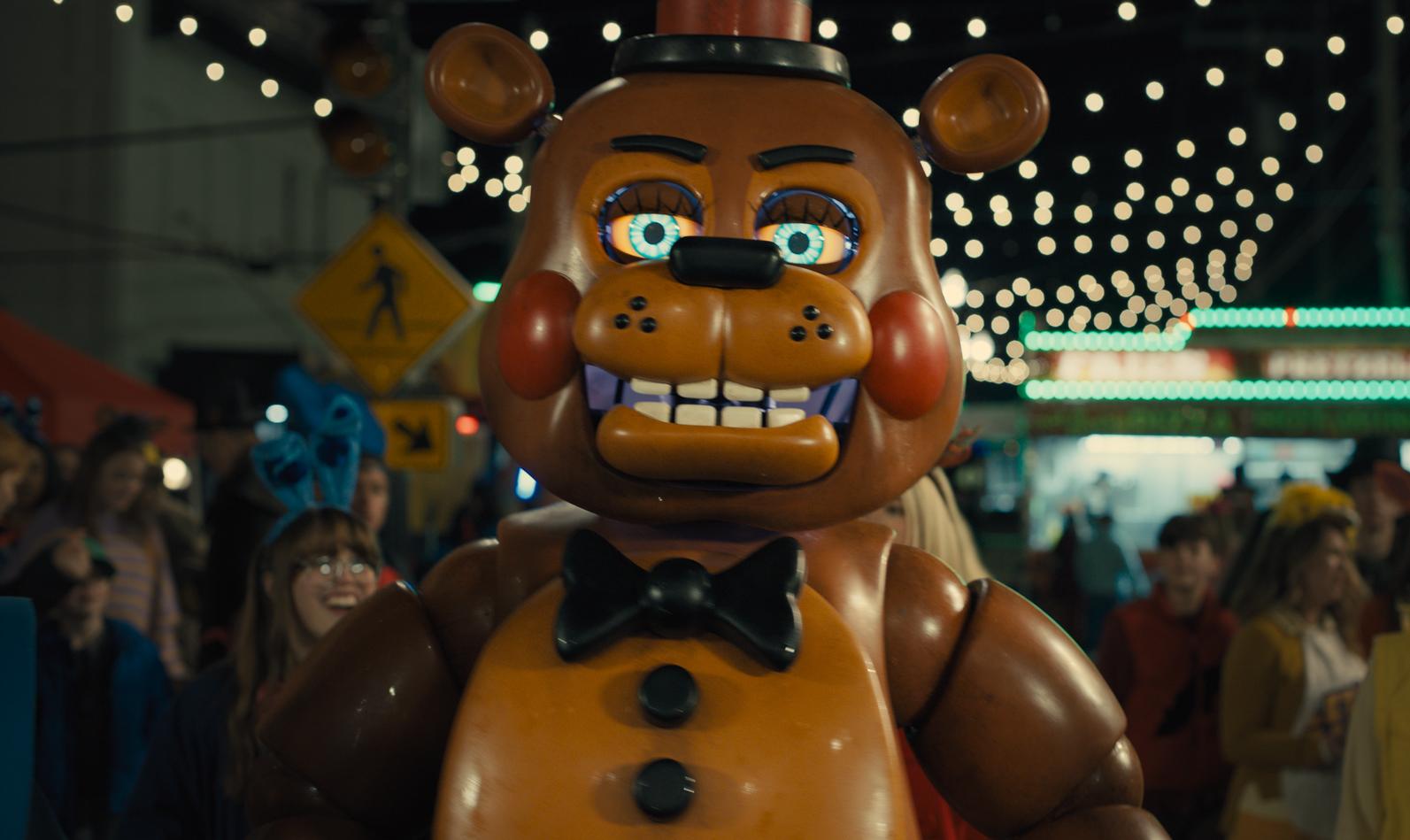
When Five Nights at Freddy's 2 hit theaters in December 2025, fan anticipation was at an all-time high. Following the massive box-office success of the 2023 original, horror fans and gaming lore enthusiasts expected the sequel to expand the universe, elevate the stakes, and deliver even more terrifying animatronic mayhem.
Instead, upon release, the film faced intense backlash. While die-hard fans appreciated the visual design and character roster expansion, mainstream film critics and a significant portion of the audience criticized the sequel.
Understanding why the Five Nights at Freddy's 2 movie was heavily criticized comes down to a few persistent script issues, execution missteps, and storytelling trade-offs.
The single biggest complaint leveled against the sequel was its screenwriting approach. Rather than developing a standalone narrative, the script—written by franchise creator Scott Cawthon—tried to adapt massive chunks of complex video game lore into a two-hour runtime.
Excessive Fan Service over Plot: The movie spent excessive time establishing background lore for secondary animatronics and origins—such as The Marionette—leaving little room for traditional plot development.
"Exposition Machines": Critics noted that characters often felt less like believable people and more like vehicles meant to deliver long, dry history lessons about the pizzeria's dark past to the audience.
Alienating Casual Audiences: While hardcore fans picked up on deep easter eggs, general moviegoers found the sprawling background story confusing and hard to track without an external video game wiki.
Beyond the lore overload, film critics pointed out structural flaws in the core narrative mechanics.
Predictable Setups: The screenplay suffered from obvious plot contrivances. Specific items or rules (like mechanical music boxes) were introduced so conveniently early on that future plot twists became immediate, predictable giveaways.
Illogical Character Choices: Audiences voiced frustration over how characters acted, particularly young Abby repeatedly returning to obvious danger despite the previous movie's traumatic events.
Awkward Dialogue: Certain comedic lines and quips were repeated across back-to-back scenes, leading to moments of awkward delivery that pulled viewers out of the film's immersive atmosphere.
The first FNAF film was famously criticized by horror purists for lacking actual horror. In response, the sequel attempted to ramp up the scare factor, but many felt it swung too far in the wrong direction.
Rather than building genuine atmosphere, tension, or dread, the movie relied heavily on classic "loud noise" jump scares—animatronics popping out of silent rooms out of nowhere. Because these scares followed predictable patterns, critics felt they were lazy and failed to deliver genuine psychological horror.
The game franchise is notorious for its dark, disturbing implied violence. However, because the film maintained a PG-13 rating to keep it accessible to younger fans, the actual horror elements felt neutered to genre veterans.
Sequences that clearly teased high-intensity animatronic attacks had to cut away before showing real impact or gore, leaving adult horror fans feeling like the film was pulling its punches.
Perhaps the most frustrating aspect for critics was the movie's climax and ending structure. Rather than offering a definitive resolution to the conflict, the film heavily prioritized setting up future sequels.
Major plot points—such as the promised chaotic breakdown at the town's "FazFest"—failed to fully pay off, leaving the story feeling like an incomplete chapter in a larger studio push rather than a satisfying standalone movie.
Despite the heavy criticism, the movie was not without its bright spots:
| Aspect | Why It Worked |
| Jim Henson's Creature Shop | The physical animatronics (Toy Freddy, Marionette, Mangle) looked fantastic and translated the iconic 2014 game designs into physical reality brilliantly. |
| Atmospheric Set Design | The nostalgic, vintage 1980s pizzeria sets and creepy backrooms captured the eerie vibe of the games remarkably well. |
| Dedicated Fan Moments | Hardcore gamers who simply wanted to see their favorite obscure characters brought to life on the big screen still found plenty of fan service to enjoy. |
The criticisms surrounding the sequel highlight a ongoing challenge for video game adaptations: balancing deep lore for hardcore fans while building a functional, well-structured film for casual moviegoers. By sacrificing basic script structure, natural pacing, and organic scares in favor of lore dumps and sequel setups, Five Nights at Freddy's 2 divided its audience, leaving critics cold even as die-hard fans debated its secrets.
Our most popular services on social media
Special 5% discount awaits new members!
BoostGrams was founded in 2015 with the rise of social media.
Special 5% discount awaits new members!
BoostGrams was founded in 2015 with the rise of social media.
Special 5% discount awaits new members!
BoostGrams was founded in 2015 with the rise of social media.
Enter your order code!
If you experience delivery issues with your guaranteed orders, you can quickly request a replacement.
A single post can touch thousands of hearts.
Log in to your account now and start enjoying the benefits.
Not a member? Sign Up