How to Make Money on Facebook?

Süper Fırsatlar sizin elinizde!
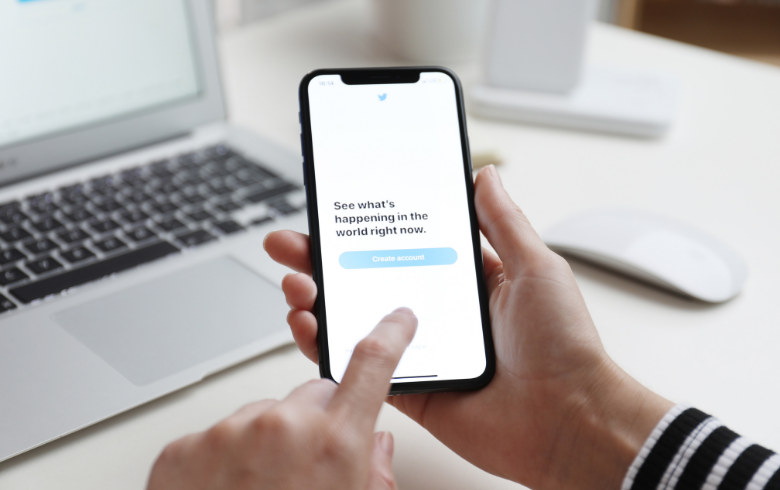
Let’s be honest, opening that familiar bird app—or whatever X is morphing into this week—doesn't feel the way it used to. Remember the days of witty banter, breaking news that felt immediate rather than algorithmic, and a general sense of a global water cooler? It feels like a distant memory now.
If you are reading this in 2026, you are likely battling "feed fatigue." The noise-to-signal ratio has become unbearable, the paywalls for basic visibility are exhausting, and the vibe is just... off. You aren't alone in feeling politically homeless in the digital sense. The grand "town square" has fractured into dozens of smaller neighborhoods, and finding the right one for your specific brand of chaotic energy or professional networking is tough.
The good news is that the post-Twitter landscape has finally matured. We are past the initial panic of "where do we go?" and into a settled phase where distinct platforms serve distinct needs. If you are ready to pack your digital bags and find a new home base, this guide to the Top 5 Alternatives to Twitter in 2026 is exactly what you need to navigate the new terrain.
Before we jump into the alternatives, it helps to understand why you are looking. In 2026, the idea of one single platform ruling public discourse is dead. It was fun while it lasted, but it wasn't sustainable.
We have fragmented based on what we actually want from social media. Some of us want raw, chronological news feeds without an AI deciding what makes us angry enough to click. Others want a sanitized, brand-safe environment for corporate speak. And many just want a quiet corner to talk about niche hobbies without being yelled at by strangers.
The search for the Top 5 Alternatives to Twitter in 2026 isn't about finding a clone; it's about finding the right fragment that fits your life today.
If you miss the chaotic energy of "Old Twitter"—say, circa 2014—Bluesky has cemented itself as the place to be. By 2026, it has shed its exclusive invite-only invite status and grown into a robust, bustling hub.
What makes Bluesky work is that it feels familiar without the baggage. The interface is clean, the posts are short, and the jokes fly fast. But underneath the hood, it’s fundamentally different. Because it is decentralized, you have way more control over your experience.
In 2026, Bluesky’s "custom feeds" feature is its killer app. You aren't stuck with one master algorithm. You can subscribe to a "Science News Only" feed, a "Local Artists" feed, or a "Zero Politics" feed created by other users. It’s the closest thing to that old-school feeling of curating a perfect list, but turbocharged. It’s the best spot for journalists, comedians, and shitposters looking for a text-first home.
Let's be real, sometimes you just want the path of least resistance. Threads is that path. Tightly woven into Instagram, it’s the platform with the sheer scale to mimic Twitter's former reach.
If your primary goal is broadcasting to the widest possible audience with minimal friction, Threads is hard to beat in 2026. It’s polished, stable, and integrates seamlessly with the visual content you are already posting on Insta. The downside? It feels incredibly corporate. The algorithm heavily favors "safe," engagement-bait content over raw, real-time discussions.
Think of Threads as a massive, well-lit convention center. It’s crowded and great for networking, but it lacks the gritty soul of a basement comedy club.
Remember when everyone said Mastodon was too complicated? By 2026, those friction points have largely been smoothed over. The "Fediverse" isn't a single website; it's thousands of interconnected communities (instances) that can all talk to each other.
Think of it like email. You can have a Gmail account and email someone with Outlook. In the Fediverse, you join a specific server—maybe one dedicated to gaming, technology, or just your local city—but you can still follow people across the entire network.
This is the top choice for privacy advocates, tech enthusiasts, and anyone genuinely exhausted by manipulative algorithms. There are no ads, no billionaire owners tweaking the dials, and a strong culture of content warnings and community moderation. It’s slower-paced, yes, but it's also much kinder.
Okay, hear me out. I know this sounds ridiculous. But in the great social media shuffle of the mid-2020s, something weird happened: LinkedIn became actually bearable.
As other platforms dissolved into shouting matches or bot farms, professionals realized they needed a place to have semi-serious discussions without fear of being piled-on by anonymous trolls. LinkedIn stepped up. By 2026, it has moved beyond just "hustle culture" posts and congratulating people on work anniversaries.
It has become a legitimate hub for industry-specific news and nuanced debate. If you used Twitter primarily for networking, sharing professional insights, or building a "thought leadership" brand, LinkedIn is now the grown-up table where those conversations happen. You just have to ignore the occasional cringey sales pitch in your DMs.
The final entry on our list of the Top 5 Alternatives to Twitter in 2026 isn't a public broadcaster at all. It reflects the biggest shift in social media: the move from public squares to private rooms.
Millions of users got tired of performing for an audience of strangers and retreated into hyper-specific Discord servers. Instead of shouting into the void, they are having deep, ongoing conversations with 50, 500, or 5,000 people who share their exact obsession, whether that’s knitting, Elden Ring, or decentralized finance.
While you can't "go viral" in a private Discord server, the connection quality is immensely higher. If you miss the community aspect of old social media, stop looking for a new feed and start looking for a server.
Here is a quick glance at how these platforms stack up in the 2026 landscape.
| Platform | Best vibe for... | The Learning Curve |
| Bluesky | Journalists, humor, and the "old Twitter" feel. | Low |
| Threads | Influencers, brands, and massive reach. | Very Low |
| Fediverse | Privacy lovers and niche community seekers. | Medium |
| Professional networking and industry news. | Low | |
| Discord | Deep dives into specific hobbies in private. | Medium |
The biggest mistake people made back in 2023 and 2024 was trying to be everywhere at once. They would crosspost the exact same content to five different platforms and burn out in a month.
Don't do that. Look at the list above and pick one that resonates most with what you are currently missing. Commit to it for a month. Learn the local customs. Reply more than you post.
The digital world in 2026 is fragmented, and that is actually a good thing. You no longer have to share space with everyone on earth. Exploring these Top 5 Alternatives to Twitter in 2026 isn't about replacing what was lost; it’s about finding a space that actually fits who you are today. Happy scrolling.
Our most popular services on social media

Enter your order code!

If you experience delivery issues with your guaranteed orders, you can quickly request a replacement.


A single post can touch thousands of hearts.
Log in to your account now and start enjoying the benefits.
Not a member? Sign Up